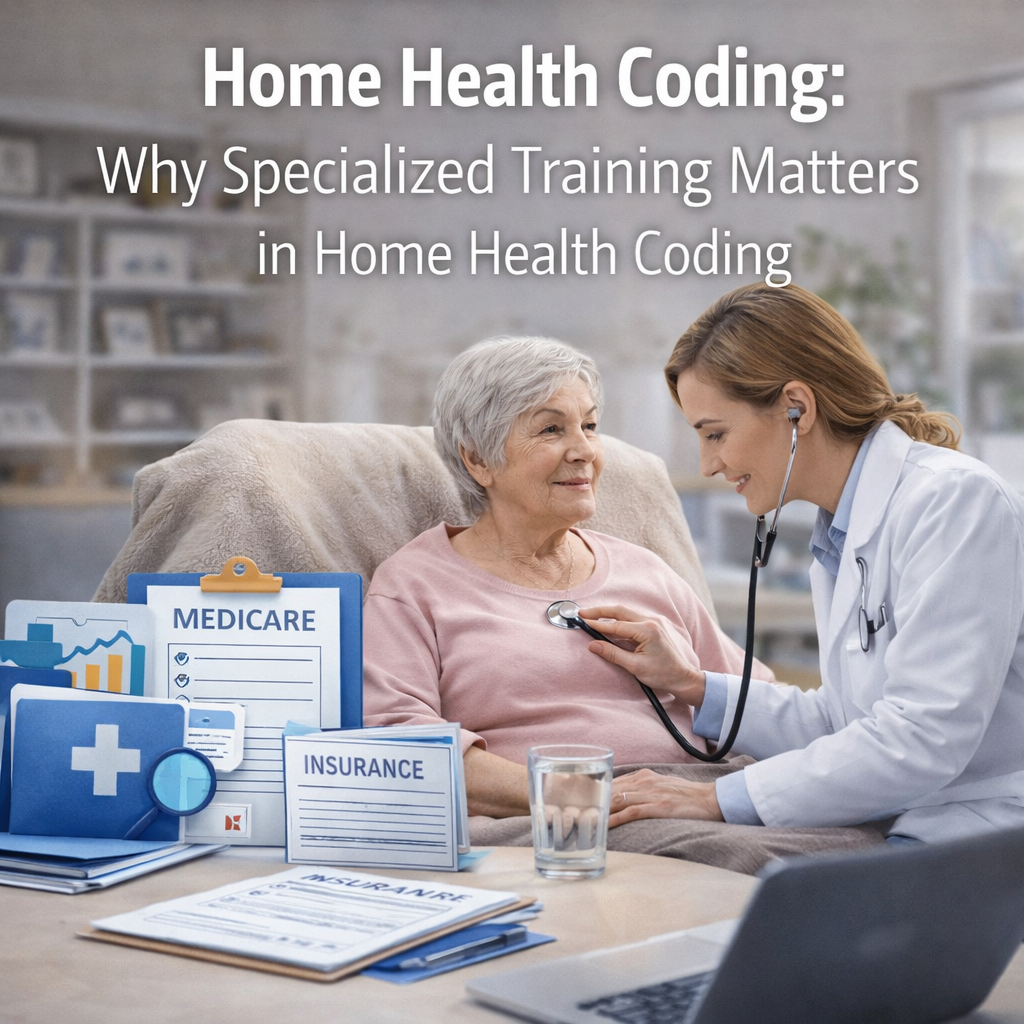
Specialized training in home health coding is essential for accurate documentation and compliance. It directly affects the quality of patient care and the financial sustainability of healthcare organizations. To achieve this level of precision, many professionals enroll in a Top medical coding course to master the nuances of the field. Coders must understand various coding systems and payer regulations to minimize errors and guarantee proper reimbursement. Enhanced training improves documentation quality and promotes patient safety. As the industry evolves, new trends and technologies shape the future of coding practices, revealing even more insights worth exploring.
Understanding the Importance of Home Health Coding
While many may overlook the intricacies of home health coding, its importance cannot be understated. This specialized field directly impacts the quality of patient care, financial sustainability of healthcare organizations, and compliance with regulatory standards. Accurate coding guarantees that health services are properly documented, reimbursed, and delivered, reflecting the true complexity of patient needs. In an era where data-driven decisions shape healthcare innovation, home health coding serves as a critical foundation for analytics and outcomes measurement. By embracing advanced coding techniques and technologies, organizations can enhance operational efficiency, reduce errors, and improve patient satisfaction. Ultimately, a robust understanding of home health coding fosters a more effective healthcare system, guaranteeing that patients receive the best possible care in the comfort of their homes.
Key Components of Specialized Training
Specialized training in home health coding equips professionals with the necessary skills to navigate the complexities of the coding process effectively. Key components of this training include a deep understanding of coding systems, such as ICD-10, CPT, and HCPCS, which form the backbone of accurate coding. Moreover, professionals learn to interpret clinical documentation thoroughly, ensuring that all services rendered are captured accurately. Training also emphasizes the significance of understanding payer requirements and regulations, fostering compliance and minimizing audit risks. Additionally, coding specialists are trained in utilizing technology and software tools that streamline the coding process, enhancing efficiency. Continuous updates on industry trends and coding changes are integral, preparing professionals to adapt and innovate in a dynamic healthcare landscape.
Enhancing Accuracy and Compliance Through Training
Implementing extensive training programs enhances accuracy and compliance in home health coding. To build a strong foundation in these core competencies, candidates often seek out the CPC Training Institutes In Hyderabad to prepare for industry-standard examinations. Such training equips coders with the latest coding guidelines and regulatory changes, fostering a culture of continuous learning. By incorporating innovative methodologies, including interactive workshops and technology-driven simulations, organizations can guarantee coders remain adept at maneuvering through complex coding scenarios. This proactive approach minimizes errors and improves the quality of documentation, thereby supporting compliance with federal and state regulations. In addition, specialized training promotes a deeper understanding of clinical terms and practices, enabling coders to make informed decisions. Ultimately, investing in thorough training not only streamlines coding processes but also elevates the overall standard of care.
The Impact of Coding Errors on Patient Care
Coding errors in home health care can greatly jeopardize patient safety and quality of care. These inaccuracies can lead to inappropriate treatment plans, delayed interventions, and misallocation of resources, ultimately compromising patient health outcomes. When coding is flawed, healthcare providers may misinterpret a patient’s needs, resulting in inadequate care or harmful medication errors. Additionally, the financial implications of coding mistakes can strain healthcare systems, diverting funds away from essential services. As the home health landscape evolves, the importance of precise coding becomes paramount for delivering innovative, patient-centered care. Addressing these errors through specialized training not only enhances compliance but also fosters an environment of trust and safety, ensuring that patients receive the highest standard of care.
Future Trends in Home Health Coding and Training
As the home health sector continues to evolve, the integration of advanced technologies and data analytics is poised to revolutionize coding practices and training methodologies. Emerging trends signal a shift towards automated coding systems, leveraging artificial intelligence to enhance accuracy and efficiency. This technological advancement promises to reduce human error and streamline workflows, allowing coders to focus on complex cases that require nuanced understanding. For those looking to specialize in inpatient or hospital-based coding as part of their career evolution, attending the Top Ccs Training Centres in ameerpet provides the advanced knowledge needed for high-level certification. Additionally, the emphasis on continuous education will foster a culture of adaptability, while virtual reality and simulation-based training may further enhance skill acquisition. Ultimately, these innovations will empower home health organizations to deliver higher-quality patient care through precise coding practices.
Frequently Asked Questions
What Certifications Are Available for Home Health Coders?
Various certifications are available for home health coders, reflecting the industry’s need for skilled professionals. The American Academy of Professional Coders (AAPC) offers the Certified Professional Coder (CPC) credential, while the American Health Information Management Association (AHIMA) provides the Certified Coding Specialist (CCS) certification. Additionally, the Certified Home Health Coder (CHHCT) designation specifically targets home health coding expertise, ensuring coders are equipped with the latest knowledge and skills to navigate this specialized field effectively.
How Often Should Home Health Coders Update Their Training?
Home health coders should prioritize ongoing training to stay current with evolving guidelines and coding practices. Typically, experts recommend updating training annually to incorporate new regulations, technologies, and industry standards. This proactive approach not only enhances coding accuracy but also fosters adaptability in a rapidly changing healthcare landscape. By regularly engaging in professional development, coders can guarantee they remain at the forefront of innovation, ultimately improving patient care and operational efficiency.
What Software Tools Are Commonly Used in Home Health Coding?
In the domain of home health coding, various software tools enhance efficiency and accuracy. Commonly utilized programs include 3M’s CodeFinder, Optum360’s EncoderPro, and Nuance’s Clinical Language Understanding. These innovative platforms streamline coding processes, facilitate compliance, and reduce errors, enabling coders to focus on delivering quality healthcare documentation. As the industry evolves, the integration of advanced technologies continues to reshape how coding professionals manage complex coding tasks in home health settings.
Can Home Health Coding Be Done Remotely?
Home health coding can indeed be performed remotely, leveraging advancements in technology and secure software platforms. As remote work becomes more prevalent, professionals in this field utilize electronic health records and coding software to guarantee accurate documentation and billing. This flexibility allows coders to efficiently manage workloads from various locations while maintaining compliance with regulatory standards. The trend towards remote coding not only enhances productivity but also supports the evolving landscape of healthcare delivery.
What Are the Career Advancement Opportunities in Home Health Coding?
Career advancement opportunities in home health coding are diverse and promising. Professionals can pursue roles such as coding supervisor, compliance officer, or clinical documentation specialist. Additionally, gaining certifications in specialized coding areas enhances prospects for leadership positions. As the healthcare industry evolves, individuals may also shift into roles focusing on data analytics or health informatics, utilizing coding expertise to drive innovation and improve patient care outcomes. Continuous education and networking remain essential for career growth.