Medical coding is an accessible career option for non-medical graduates. Specialized programs teach essential skills like anatomy, medical terminology, and coding systems. Many students find success by enrolling in medical coding classes, which provide a structured environment to master these complex topics. These courses often align with certification programs from recognized organizations, enhancing credibility. Practical experience through internships or entry-level positions reinforces knowledge. As demand for skilled coders grows, opportunities for advancement exist in various roles. This field combines technology and healthcare, making it dynamic and rewarding. Explore the pathways to establish a successful coding career.
Understanding Medical Coding and Its Importance
Medical coding is frequently regarded as a critical component of the healthcare industry. It serves as the bridge between healthcare providers and insurers, translating complex medical information into standardized codes. These codes facilitate accurate billing, streamline patient records, and guarantee compliance with regulations. In fast-paced environments like urgent care, specialized skills in emergency medicine coding are vital to ensure that life-saving procedures are documented and reimbursed correctly. As healthcare evolves, the demand for precise medical coding is ever-increasing, making it an essential function within innovative healthcare systems. The accuracy of coding directly affects reimbursement processes and patient care quality.
Key Skills Required for Successful Medical Coding
Success in medical coding hinges on a unique blend of analytical and organizational skills. Individuals aspiring to excel in this field must possess meticulous attention to detail, enabling them to accurately interpret and assign codes to medical diagnoses and procedures. Strong problem-solving skills are essential, as coders often encounter complex cases requiring innovative solutions. Proficiency in technology is also critical; familiarity with coding software and electronic health records enhances efficiency. Moreover, effective communication skills facilitate collaboration with healthcare professionals, ensuring precise coding and billing processes. A commitment to continuous learning is crucial, as medical coding standards and regulations evolve.
Educational Pathways for Non-Medical Graduates
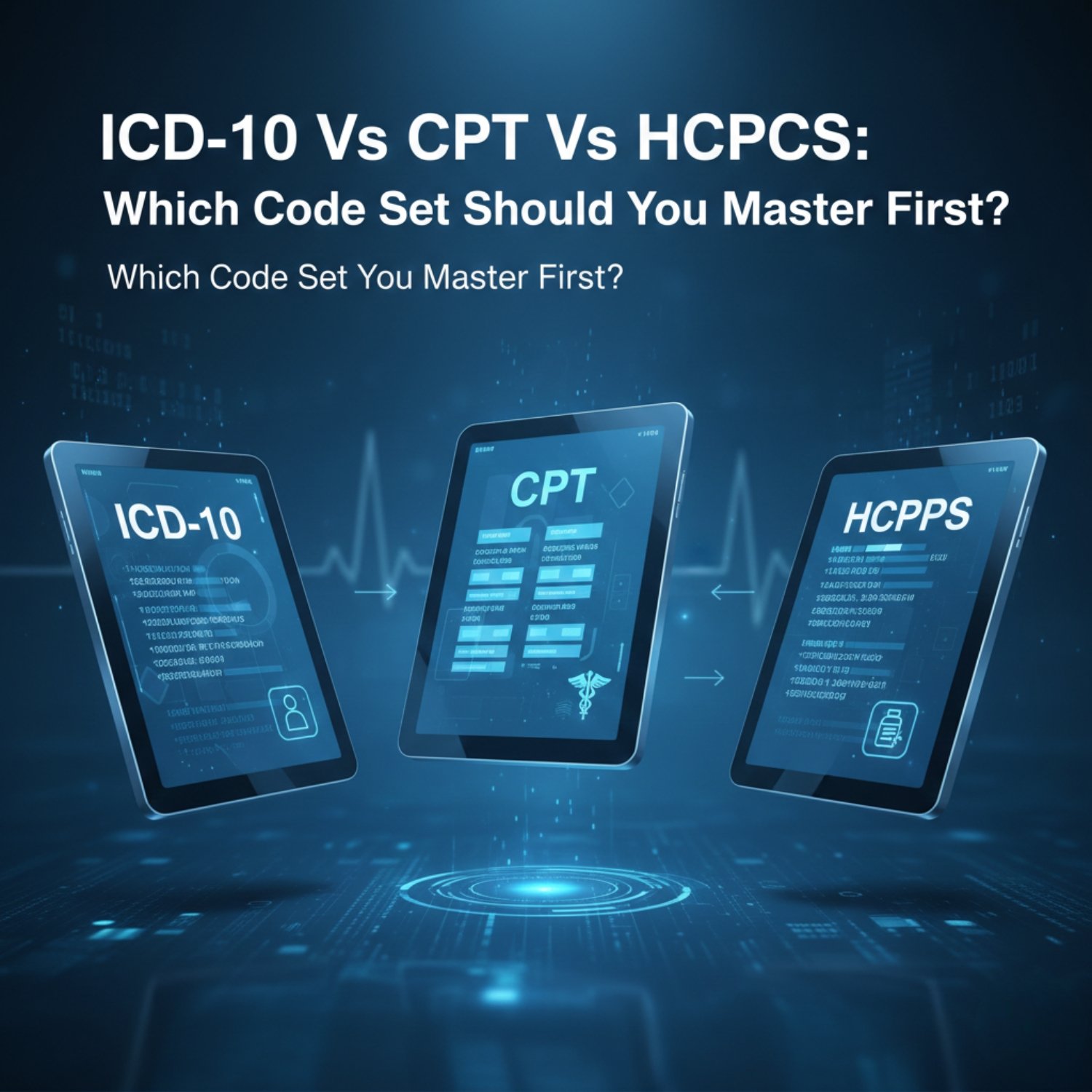
How can non-medical graduates effectively change into the field of medical coding? Innovative educational pathways are emerging to facilitate this shift. Many institutions now offer specialized coding programs, often available online, that cater to individuals without a medical background. These programs typically cover topics such as anatomy, medical terminology, and coding systems like ICD-10 and CPT. In addition, community colleges and vocational schools provide certificate courses that emphasize practical skills. For those seeking a more thorough education, obtaining an associate degree in health information management can be advantageous. Specialized workshops fuel continuous learning, helping non-medical graduates become proficient in the ever-evolving landscape of medical coding.
Gaining Experience and Certifications in Medical Coding
For non-medical graduates, gaining experience and obtaining certifications are essential steps in establishing a successful career. Engaging in internships at healthcare facilities allows individuals to apply theoretical knowledge in real-world settings. To stand out to employers, many professionals pursue CPC certification training, which prepares them for the gold standard exam in the industry. Pursuing certifications from reputable organizations, such as the AAPC or AHIMA, provides credibility and demonstrates commitment to the profession. These certifications not only validate expertise but also keep coders abreast of evolving regulations and technologies. By combining practical experience with recognized qualifications, non-medical graduates can position themselves as innovative contributors.
Job Opportunities and Career Growth in Medical Coding
Exploring job opportunities in medical coding reveals a dynamic field with a variety of roles available across healthcare settings. Medical coders are essential in hospitals, clinics, and insurance companies, translating complex medical information into standardized codes for billing and compliance. With the rise of telehealth and electronic health records, demand for skilled coders is expected to grow considerably. Career advancement is attainable through specialized certifications and experience, opening doors to roles such as coding auditor, compliance officer, or health information manager. As healthcare evolves, so do opportunities for innovative coders, making this a promising career path for those willing to embrace change and contribute to the industry.
Frequently Asked Questions
What Is the Average Salary for a Medical Coder?
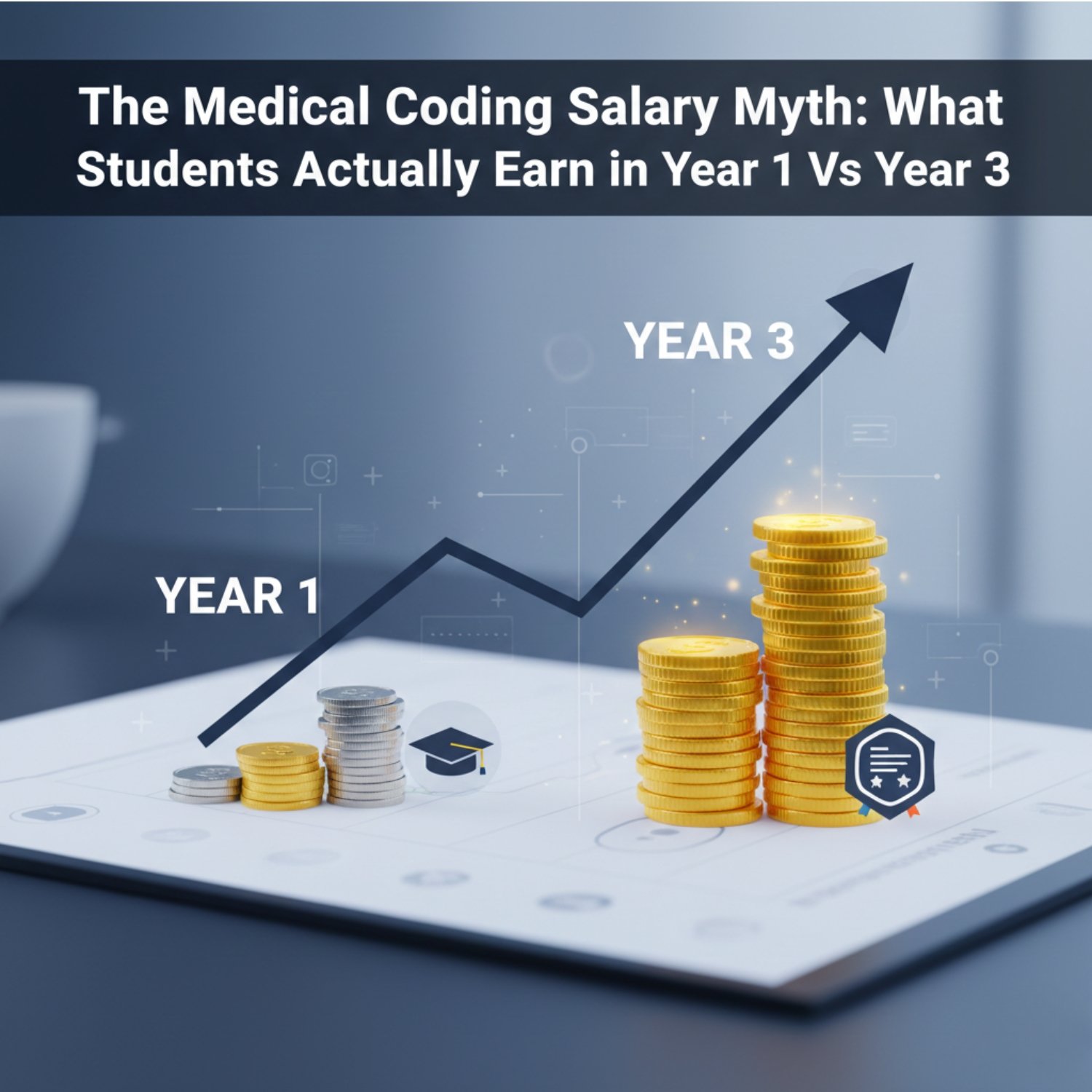
The average salary for a medical coder in India varies significantly based on certification and city. In 2026, freshers can expect to start between ₹1.8 lakh and ₹3.5 lakh per annum. However, those with certifications often command higher pay.
Can I Work Remotely as a Medical Coder?
Remote work is a growing trend. Many international BPOs and healthcare firms offer telecommuting options, which can sometimes provide higher pay, ranging from ₹8 lakh to ₹25 lakh per annum for highly experienced professionals working on international contracts.
What Software Is Commonly Used in Medical Coding?
Commonly utilized programs include 3M CodeFinder, Optum360 EncoderPro, and TruCode Encoder. Proficiency in these tools is often a prerequisite for higher-paying roles in top-tier cities like Hyderabad and Bangalore.
How Long Does It Take to Become Certified?
Certification usually takes 3 to 6 months of dedicated study. In India, the cost for training and exams (like the CPC) typically ranges from ₹35,000 to ₹55,000, including AAPC membership and exam fees.
Are There Job Opportunities in Specialized Coding Areas?
Specialized areas like oncology, cardiology, and emergency medicine are in high demand. Growth in the Indian medical coding market is projected at a CAGR of over 10% through 2033, driven by the expansion of health insurance and digital records.